Attention: Please take a moment to consider our terms and conditions before posting.
Quick Radiator heating question

MrOneLung
Posts: 27,424
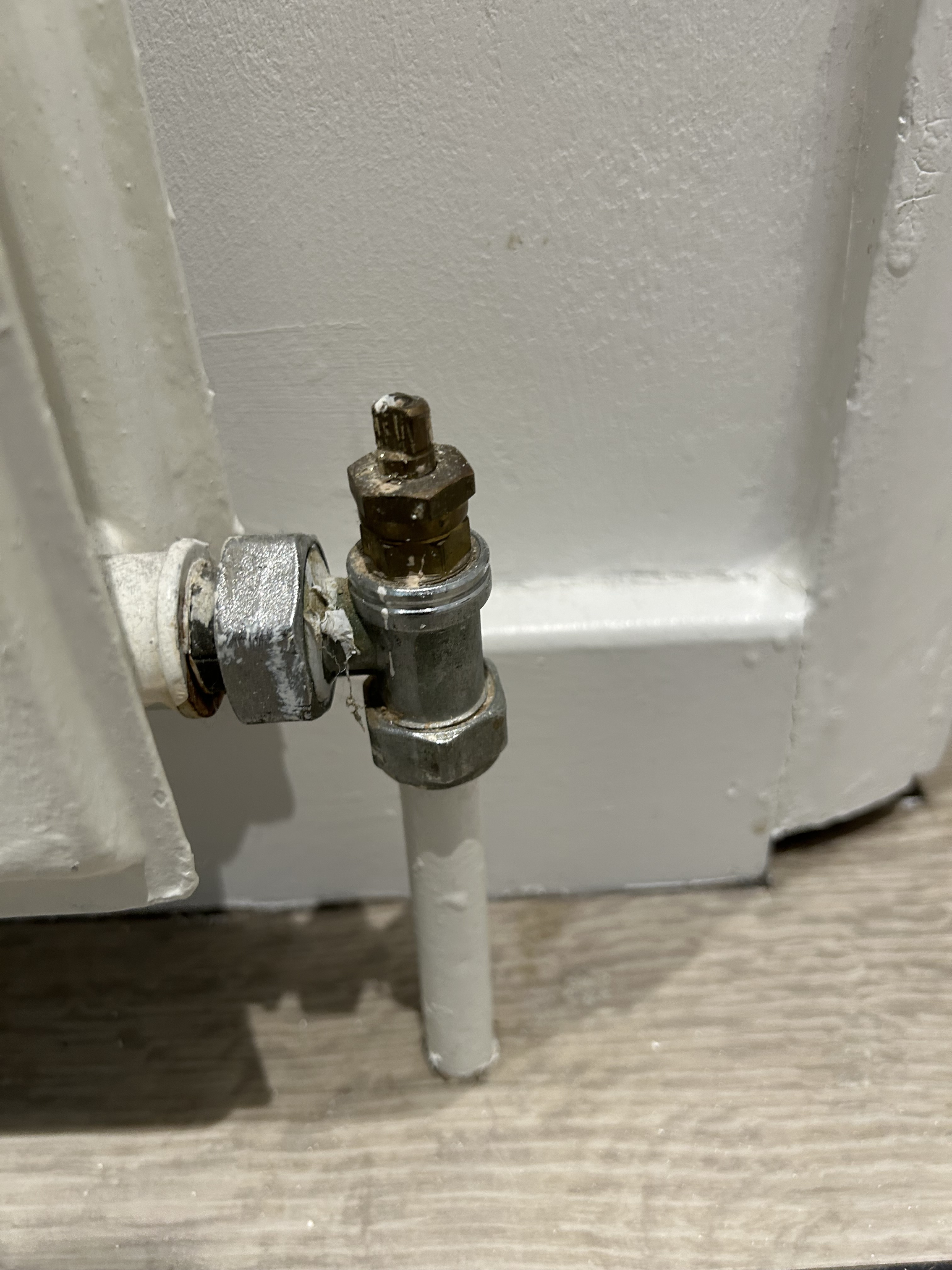
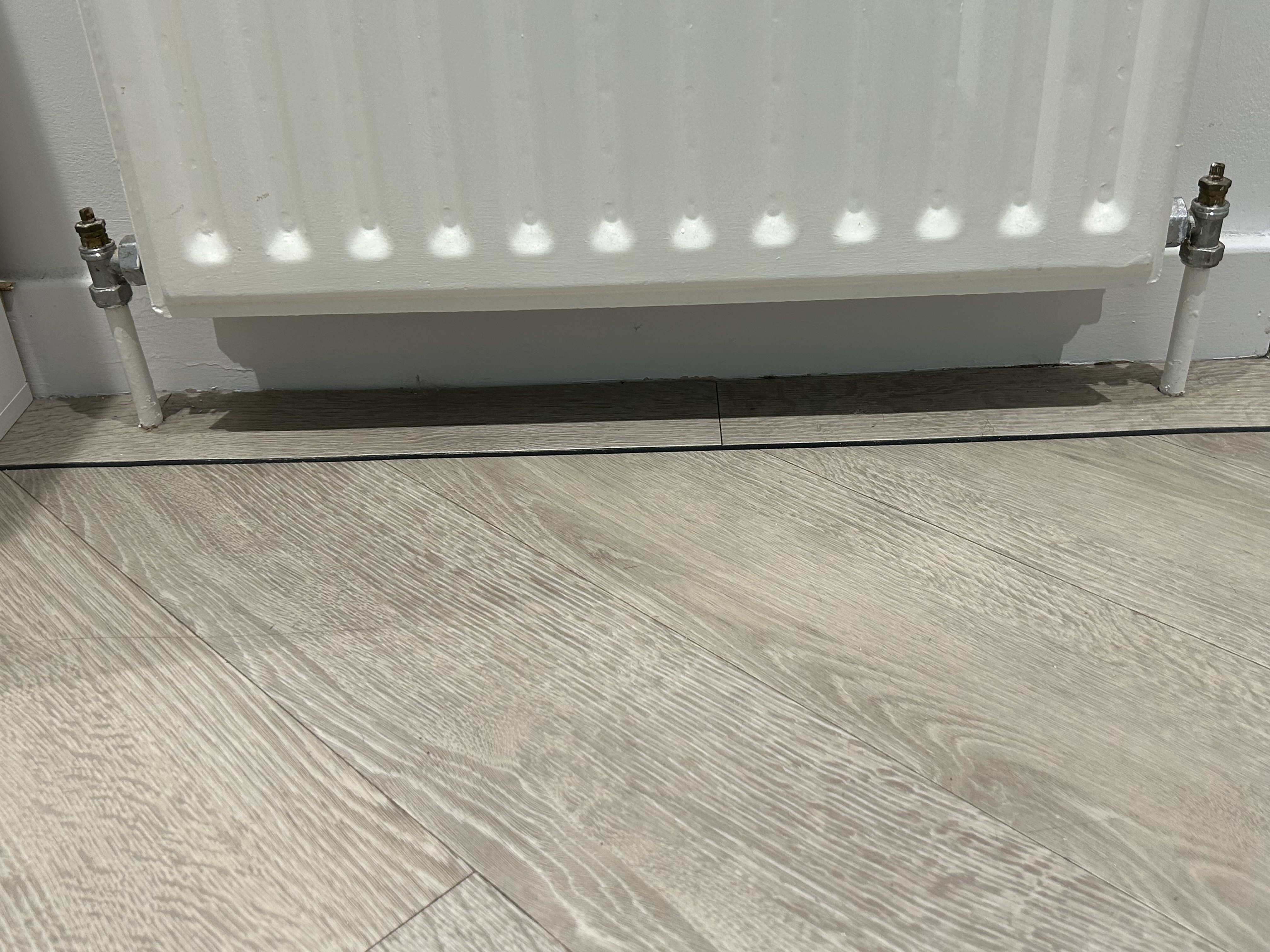
ok, not got a clue about this stuff
all my other radiators have got big white valves on with numbers for adjusting the heat level.
How do I adjust this one ?
Is it just pliers on the sticky up bit, or is it the whole nut?
How do I know if it’s left or right side to adjust ?
Please help before I do something that floods the house
I have never felt less manly !
0
Comments
-
Not an expert but we have a similar rad. I believe that this is the ‘master’ rad if you like and it can’t be adjusted to turn it down although I believe it can be shut off completely but don’t ask me how !!0
-
The valve is called a lock shield valve and once set when the system is balanced you shouldn’t really need to touch it again unless removing or isolating the radiator. Most systems have one rad that has two lock shield valves. If it were me I’d use an adjustable spanner to ease one a little more open (anti clockwise) to allow more flow through. Do it in increments over a few hours and see what happens. It could be nothing to do with the valves if the rad isn’t warming. Could be an old semi blocked radiator. It’s going to be trial and error you could also try gently taping the bottom of the radiator to dislodge any blockage and I’m sure you e already tried bleeding it ?2
-
I love Charlton Life.0
-
Why do you want to alter it?
As has been said, at least one rad is set to not shut down like the others can.
If you want to close it to remove the rad, turn it as you would a tap, ie clockwise. I would count the number of turns, or get a heating engineer in.1 -
What's the problem, why do you need to adjust it??, if it's cold at the top, could need bleeding???1
-
Or if it’s cold at the bottom, it needs cleaning out.eastterrace6168 said:What's the problem, why do you need to adjust it??, if it's cold at the top, could need bleeding???1 -
Has the system had an inhibitor added to the water at any point ? It helps inhibit the sludge that naturally builds up in closed systems with copper and steel. It only lasts a finite time before it needs replacing. Has your boiler got a magnetic filter fitted ? All things that could contribute to a sluggish flow. You could get your system flushed but that’s very expensive (£600 plus at least probably). To be fair that looks like a fairly old radiator that might in all honesty be coming to the end of its useful life.1
-
this one is just lukewarm compared to all the other rads.
Have tried bleeding it, and it is uniformly lukewarm - not hot in one part and cool in another
It is just in our hallway, so no biggie, but just wondered if there was anything that needed to be done0 -
Sounds like a good idea to call in the experts mate, sounds like a blockage and has been said maybe needs replacing 🤷♂️0
-
As I said earlier. Try opening the valves gently in turn to see if that increases the flow through the radiator which of course it should. Be careful though don’t force them. Use gentle pressure if they don’t want to move. You might find having a greater flow through this radiator decreases the flow through one or more of the others. Effectively unbalancing the system. Little by little and gently does it.MrOneLung said:this one is just lukewarm compared to all the other rads.
Have tried bleeding it, and it is uniformly lukewarm - not hot in one part and cool in another
It is just in our hallway, so no biggie, but just wondered if there was anything that needed to be done0 -
Sponsored links:
-
0
-
Just the nipple. See the link to YouTube clip aboveMrOneLung said:0 -
ShootersHillGuru said:
Just the nipple. See the link to YouTube clip aboveMrOneLung said:Sorry - had to be done.8 -
perfect thank youShootersHillGuru said:
Just the nipple. See the link to YouTube clip aboveMrOneLung said:0 -
The reason why that won't have Thermostatic Radiator Valves like the other radiators does, is usually because one radiator will be in the same room as the thermostat and therefore will be used as a control for when the boiler runs or not and are normally to be found in hallways.0
-
Also you always need one rad to be open so that the pump can circulate and keep an eye out for leaks if you adjust the valves as they may not have been touched for a while.CaptainRobbo said:The reason why that won't have Thermostatic Radiator Valves like the other radiators does, is usually because one radiator will be in the same room as the thermostat and therefore will be used as a control for when the boiler runs or not and are normally to be found in hallways.
0 -
If you have a wall thermostat, the rad in that room should have no twisty valve. Otherwise the rad twisty valve would be fighting with the wall thermostat to set the temp of the room.0
-
BTW, I understand the TRVs should be left fully open NOT closed during the summer months to reduce the chances of the pin sticking in the closed position.0
-
👍red10 said:
Also you always need one rad to be open so that the pump can circulate and keep an eye out for leaks if you adjust the valves as they may not have been touched for a while.CaptainRobbo said:The reason why that won't have Thermostatic Radiator Valves like the other radiators does, is usually because one radiator will be in the same room as the thermostat and therefore will be used as a control for when the boiler runs or not and are normally to be found in hallways.0